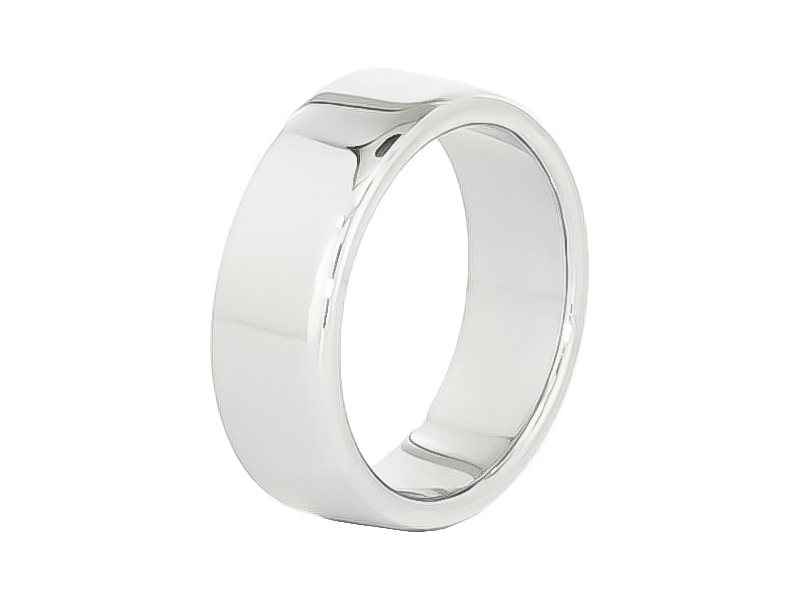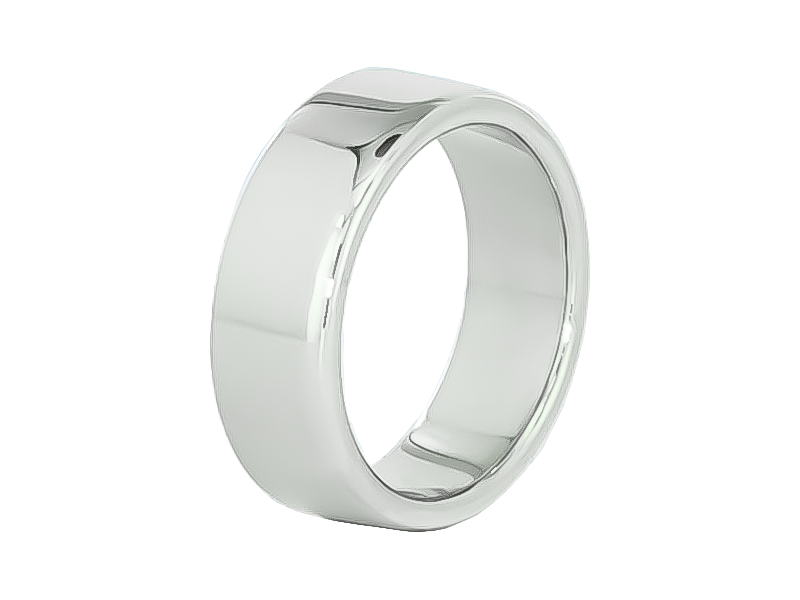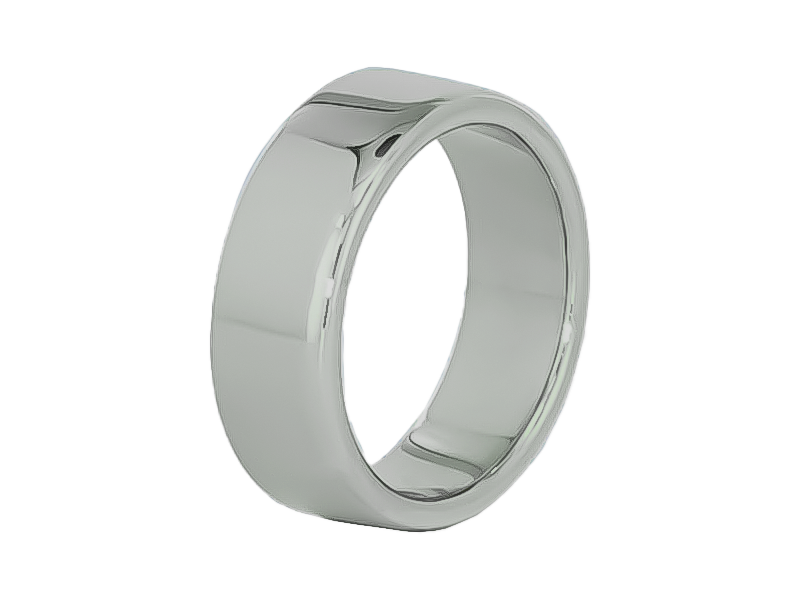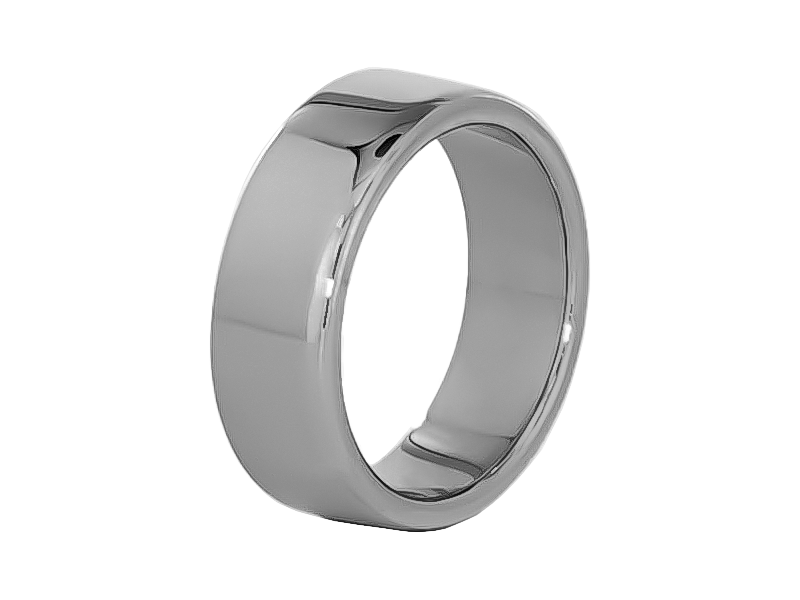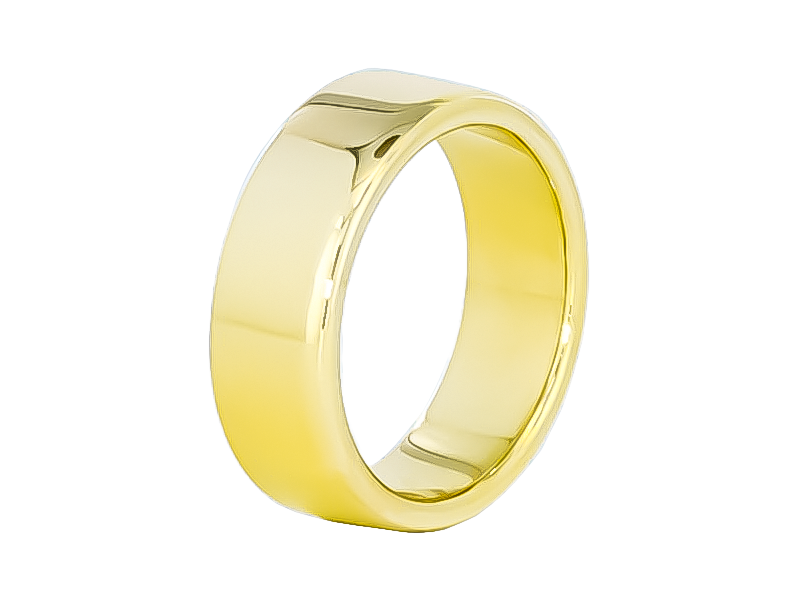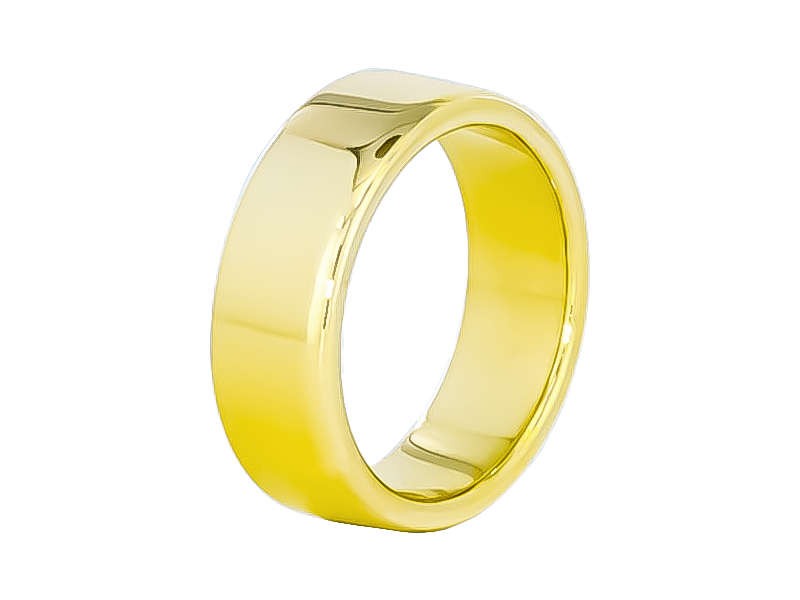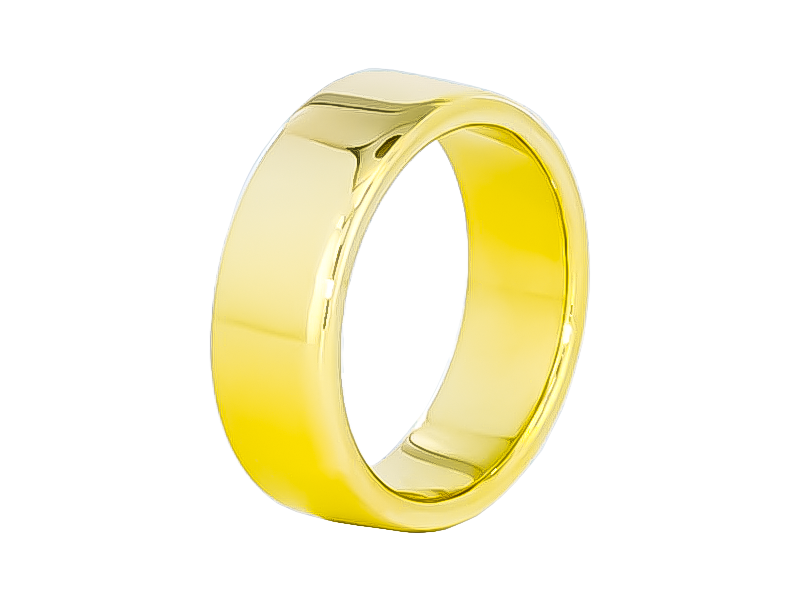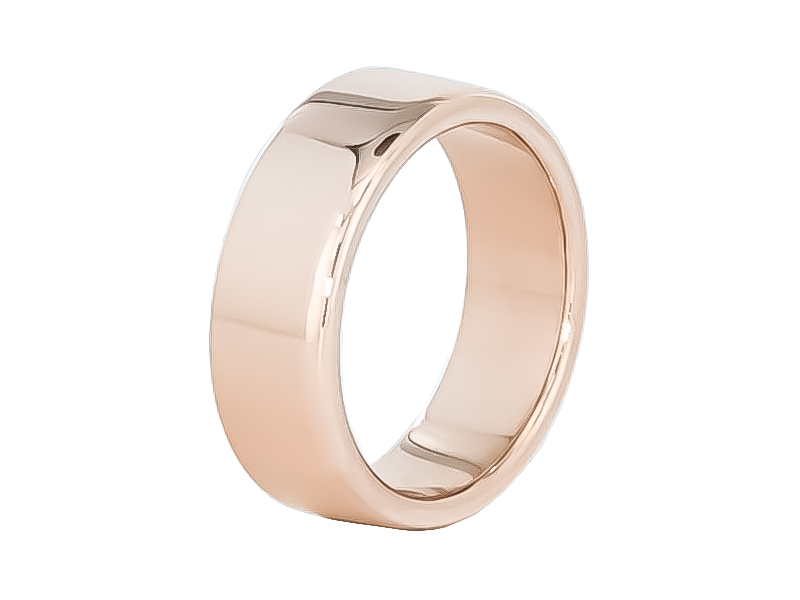

Our high-end clients prioritise quality, precision, consistency, colour, and density over price or speed. We focus exclusively on a refined selection of precious metals to create master alloys of the highest calibre. Years of research and in-house development have perfected these formulations, balancing base and precious metals to produce alloys that excel across the jewellery industry.
Once cast, our castings deliver:
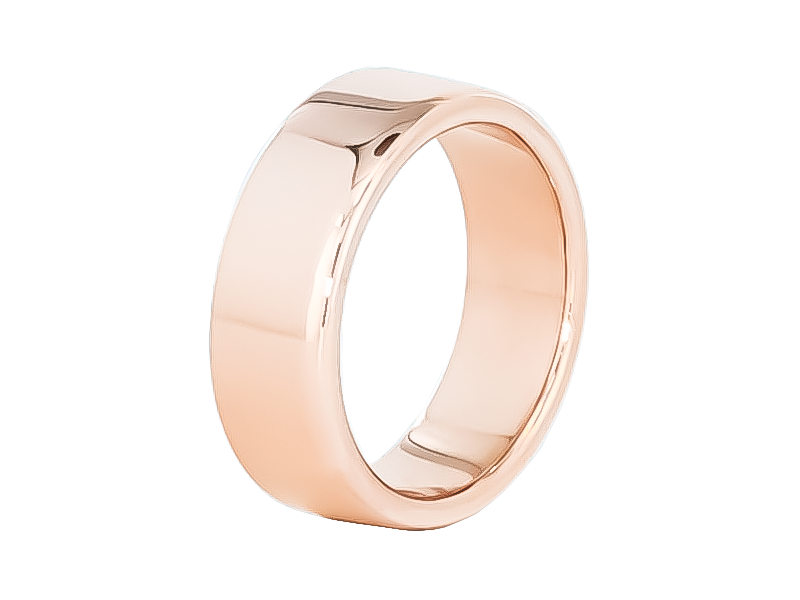
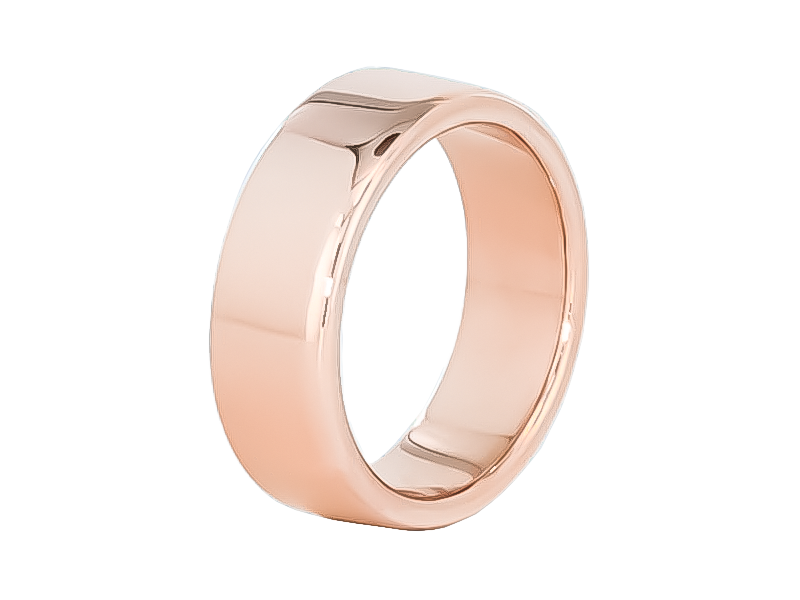
These castings resist blooming and tarnishing over time, curated with feedback from skilled bench jewellers and high-volume retailers across Australia. Photographs below showcase fully polished castings in a specialised photography booth, calibrated to present colours as accurately as possible under controlled lighting conditions
Sterling-Silver
(925)
Fine-Silver
(999)
Ultra-Silver
5% Palladium (925)
9 Karat Premium White Gold
13% Palladium - (375)
10 Karat Premium White Gold
13% Palladium - (417)
14 Karat Premium White Gold
13% Palladium - (585)
18 Karat Premium White Gold
13% Palladium - (750)
9 Karat Premium Radiant Yellow Gold
(375)
10 Karat Premium Radiant Yellow Gold
(417)
14 Karat Premium Radiant Yellow Gold
(585)
18 Karat Premium Radiant Yellow Gold
(750)
22 Karat Premium Radiant Yellow Gold
(916)
9 Karat Premium Champagne Rose Gold
(375)
10 Karat Premium Champagne Rose Gold
(417)
14 Karat Premium Champagne Rose Gold
(585)
18 Karat Premium Champagne Rose Gold
(750)
22 Karat Premium Champagne Rose Gold
(916)
Our Premium Radiant Yellow Gold, available in 9, 10, 14, 18 and 22 karat, delivers a rich, consistent hue that is highly sought after in the Australian market. The differences between karats are subtle, often imperceptible without instrumentation. We’ve carefully refined this alloy to avoid washed-out or overly brassy tones, producing a yellow gold that is vibrant, elegant, and true to the colour jewellers and clients desire.
Our Premium Champagne Rose Gold delivers a consistent, elegant tone across 9, 10, 14, 18 and 22 karat alloys, creating a visually harmonious match between karats. This sophisticated champagne hue is highly desirable, combining beauty with superior workability. It is less prone to cracking than traditional pink or red gold, making it ideal for bench jewellers seeking precision, durability, and consistently stunning results.
Our Premium White Golds in 9, 10, 14, and 18 karat are formulated with 13% palladium, producing a cooler, deeper and more neutrally grey-white tone while avoiding the green, yellow and brown hues commonly seen in lower-palladium white gold alloys. Through extensive in-house alloy development, 13% palladium has proven to be the optimal balance of colour, castability and mechanical bench performance. Higher palladium levels such as 15% Pd offer no visible improvement in whiteness especially if rhodium plated, rather higher palladium only increases the risk of porosity, miscasts, surface texture issues and gold loss.
Our standard 925 sterling silver is the entry level, cost-effective precious metal we cast, treated with the same care, precision and accuracy that all our other precious metals receive and our fine silver is pure fine silver (99.95%). Our Ultra-Silver (925) is the brightest, whitest precious metal we offer, outperforming standard 925 sterling silver in both brilliance and finish. Enhanced with 5% palladium, it delivers:
Our casting days are Tuesday - Friday as we prep castings on Monday. We do not work over the weekends or public holidays. We very rarely can accept client waxes to be casted the following day as our workflow is built around quality first.
At Hygrade Casting, quality comes first. Every process, decision, and investment is made to deliver exceptional castings with absolute consistency. We use modern, high-precision casting technology and refined techniques honed under leading precious metal technicians from Australia, Germany, Switzerland, Japan, and Turkey, no legacy methods, no short-cuts and no compromises.
We work with jewellers who demand flawless results, from specialist workshops to high-volume retailers. Transparency, clear communication, and tailored production cycles ensure we build long-term partnerships, delivering precision, reliability, and finish that sets the standard in the industry.
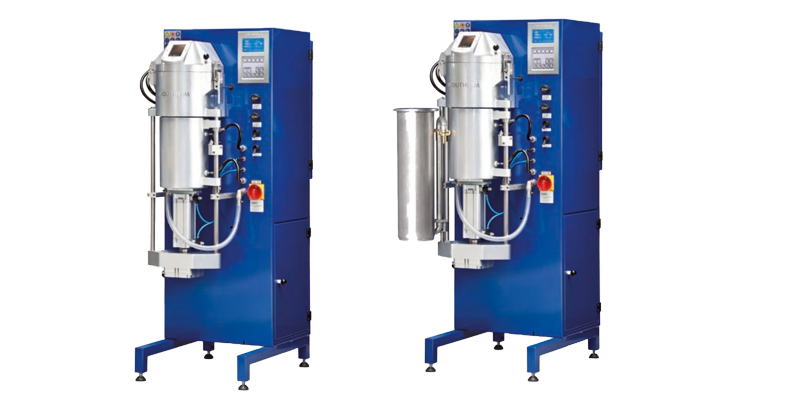
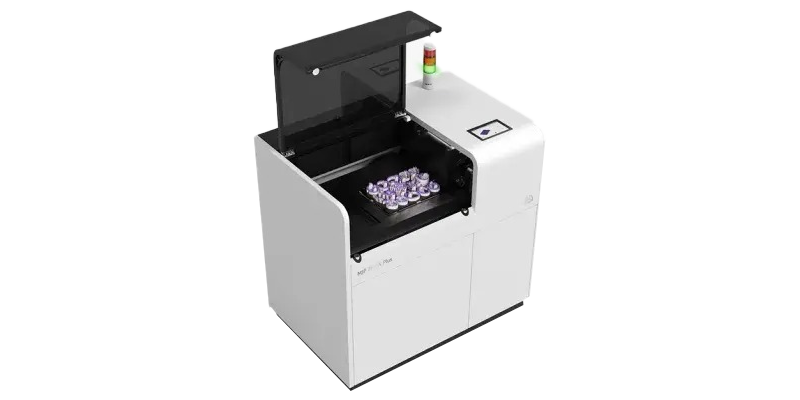
We use state-of-the-art German-made casting machinery, leaving nothing to chance. Flasks are held under vacuum while metals melt in an oxygen-free, argon-rich atmosphere, eliminating gas porosity and preventing oxidation.
During metal solidification, the flasks are vibrated at precise frequencies and durations, resulting in:
The outcome is castings with superior tension and elastic properties, easier to process, and in high-volume environments, up to 25% faster post-processing.
We formulate and granulate our own master alloys in-house, using only the highest-purity precious metals from accredited Australian bullion companies and premium base metals from trusted local suppliers. Specialty metals, such as indium, are sourced directly from verified and accredited European suppliers. Every material is chosen to uphold precision, consistency, and uncompromising quality.
We never use Rhodium, Gallium, Iridium, Cobalt, Nickel, Tin, Tungsten, Brass, Steel, Osmium or Silicon. Every casting we produce embodies integrity, longevity, and performance, a standard our clients rely on without compromise.
The following precious metals are sourced directly from Australian bullion suppliers who deal directly with various Australian mines:
The following precious & base metals are sourced directly from the suppliers in Europe (who deal directly with European mines).
We don’t use Rhodium (Rh), Gallium (Ga), Iridium (Ir), Nickle (Ni), Tin (Sn) or Silicon (Si) as they as they compromise the integrity of high-quality castings.
At Hygrade Casting, quality is non-negotiable. We use the finest investment powders, water exceeding distilled standards, and top-tier mixing equipment from Germany and Italy to prepare flawless moulds.
Our proprietary 14-hour burnout cycle guarantees complete wax elimination and a clean, ash-free mould, producing precise, high-quality castings. We never compromise with rapid burnout cycles, every casting and flask is treated with the care it deserves.
By precisely controlling flask temperatures, casting pressures, and quenching times, we eliminate common defects such as porosity, scorching, and brittleness. Every step is optimised for perfection, producing clean, bright castings with tight grain structure and exceptional tensile strength without the brittleness.
All our castings are hypoallergenic and safe for wear on the external body (rings, earrings, pendants, and more) as we refuse to use base metals like nickel or gallium. Stone-set-in-wax casting is not offered as the risks and drop in quality outweigh the rewards.
Clients are welcomed to supply their own castable waxes: injection wax, hand-carved wax, or 3D-printed wax items. For injected waxes, please use a mould release spray (not baby powder) and premium-quality wax designed for jewellery with an ash content below 0.03%. Low-quality waxes containing plastics or oils can lead to porosity. Wax pieces must include a feeder sprue:
We accept customer-supplied rubber or silicone master moulds, ideal for high-volume clients reducing wax printing costs. Injection is charged at $5 + GST per pump (small–regular items) with a $25 + GST minimum for fewer than five pieces. We do not offer master mould-making services due to the complexity and time required.
We no longer accept customer-supplied resins, regardless of brand, cleaning and curing methods. All tested wax-like and castable resins produce inconsistent results, including miscasts, cracking, porosity, and sizing issues. Many clients have retired resin printing entirely, freeing workshop resources and avoiding ongoing headaches and have opted for us to handle 3D wax printing.
Customer-supplied metals (pure gold, silver, remelted scrap, or master alloys) are not accepted for low volume castings. If you are a high-volume client, we can discuss you supplying us your pure gold grain (as a float), with master alloy and processing fees applied.
The table below provides key reference data, including wax-to-metal density factors and typical softening and melting points for common casting metals. Our 3D wax printing process has zero wax shrinkage, and for small to medium-sized pieces we routinely achieve casting shrinkage rates as low as 0.10%.
Where high precision is required, such as post-polish tolerances within ±0.10 mm or designs involving extensive benchwork, additional shrinkage allowance should be made for material removal during filing, sanding, and polishing.
For jewellers, the most critical value is the casting gravity (wax) factor, which determines the metal weight required to match a given wax model. These conversions are indicative and may vary slightly due to sprue length (minimised via flush-cut) and minor fluctuations in final alloy purity (e.g. 17.98K - 18.02K). Zinc burn-off during casting can marginally increase net gold purity, resulting in a slightly heavier finished piece.
| Material | Theoretical Density | Casting Gravity Wax Factor | Softening (Approx) | Liquidous Melting (Approx) |
| 18 Karat White Gold (13% Palladium) | 17.16 g/cm³ | x 16.60 | 920 - 940 °C | 1,100 °C |
| 14 Karat White Gold (13% Palladium) | 15.48 g/cm³ | x 15.40 | 880 - 900 °C | 1,050 °C |
| 10 Karat White Gold (13% Palladium) | 13.84 g/cm³ | x 13.70 | 840 - 870 °C | 980 °C |
| 9 Karat White Gold (7% Palladium) | 13.79 g/cm³ | x 13.20 | 830 - 850 °C | 950 °C |
| 22 Karat Yellow Gold | 18.53 g/cm³ | x 18.15 | 1,000 - 1,020 °C | 1,040 °C |
| 18 Karat Yellow Gold | 16.94 g/cm³ | x 16.10 | 890 - 910 °C | 960 °C |
| 14 Karat Yellow Gold | 15.03 g/cm³ | x 13.60 | 860 - 880 °C | 940 °C |
| 10 Karat Yellow Gold | 13.27 g/cm³ | x 12.30 | 820 - 840 °C | 910 °C |
| 9 Karat Yellow Gold | 12.81 g/cm³ | x 11.70 | 800 - 820 °C | 880 °C |
| 22 Karat Rose Gold | 18.65 g/cm³ | x 17.80 | 1,000 - 1,020 °C | 1,040 °C |
| 18 Karat Rose Gold | 16.44 g/cm³ | x 15.55 | 890 - 900 °C | 950 °C |
| 14 Karat Rose Gold | 14.92 g/cm³ | x 14.00 | 860 - 870 °C | 930 °C |
| 10 Karat Rose Gold | 13.20 g/cm³ | x 12.60 | 820 - 830 °C | 900 °C |
| 9 Karat Rose Gold | 12.75 g/cm³ | x 11.90 | 800 - 810 °C | 870 °C |
| Ultra-Silver (5% Palladium) | 10.53 g/cm³ | x 10.90 | 850 - 860 °C | 980 °C |
| Fine Silver | 10.49 g/cm³ | x 10.70 | 730 - 740 °C | 960°C |
| Sterling Silver | 10.38 g/cm³ | x 10.55 | 820 - 830 °C | 890 °C |
Our 3D wax printers produce zero wax shrinkage. Through tightly controlled burnout cycles, flask and casting temperatures, and quenching times, we routinely achieve casting shrinkage as low as 0.10%.
In practice, additional allowance is often required due to surface finishing. 3D wax prints require sanding and polishing, and bench techniques can introduce further material removal. For designs requiring final tolerances within ±0.10 mm, we recommend factoring shrinkage into your STL files.
Recommended Shrinkage Allowances
For detailed guidance, please visit our CAD Tech page.
If your wax model weighs 0.35 g and is to be cast in 18 karat yellow gold:
0.35 g (wax) × 16.60 (18K white gold wax gravity) = 5.81 g of 18K gold
This figure is an estimate. Final cast weight may vary slightly due to natural wax density variation and minor zinc burn-off during casting, which can marginally increase final gold purity and weight.
Additional wax used for the main feeder sprue must also be accounted for. Sprue length varies with design requirements, tree positioning, and the need to prevent breakage during investment and pouring. After casting, feeder sprues are flush-cut using industrial pneumatic cutters, leaving a small section of sprue (typically 1–3 mm) attached to the piece.
For sprue and flow-gate design examples, please refer to our CAD Tech tab page.
Gold purity is a sensitive subject in casting because true karat accuracy demands precision, discipline, and accountability, all of which cost money behind the scenes. We embrace that cost.
During casting, zinc naturally burns off, even under argon shielding. This causes a slight increase in gold purity, which is why our castings generally read no lower than the actual fineness (ie 18 karat generally reads 18.01K or higher on XRF scanners). This is not a fault, it is the outcome of tightly controlled, professional casting process. It can also result in a marginally heavier final piece, which is invoiced on actual post-cast weight.
Rather than “balancing” purity by adjusting zinc between melts (a common practice that risks falling below legal thresholds), we follow strict, repeatable protocols. Every melt is prepared using NMI trade-approved scales accurate to 0.001 g, calibrated with certified weights before every use. Under Australian law, 18 karat gold must contain a minimum of 74.58% pure gold (17.92 karat). Our castings consistently fall on or above the fineness (ie: 18.00-18.02 karat) in real purity because we intentionally add 0.010 g of extra gold per 100 g melt. The cost to us is negligible; the assurance to our clients is absolute.
We do not rely on zinc loss to “push” borderline alloys into compliance. Gold and alloy components are weighed precisely, using ultra-thin sheets hand-cut to exact milligram values. If you ever encounter a reading such as 17.97K, this typically reflects scanner variance (not actual purity). Even NMI trade-approved XRF scanners have known built-in tolerances approved within them, placing a plum fineness (ie exactly 750 / 18 karat) can have different readings from XRF scanners:
Minor positional changes on XRF scanners as little as 1 mm can alter readings. This variability is normal, even in NATA-approved laboratories. To ensure consistency, a control ring is included in every flask, positioned centrally. After casting, it is cleaned, sanded, polished, and scanned. In addition every item is XRF scanned after post-processing to ensure all items are at or above the legal threshold.
All precious metals such as gold, silver, and palladium are sourced exclusively from accredited Australian bullion suppliers with full assay certification.
No scrap. No fillers. No shortcuts.
This is casting without compromise.
If you demand accuracy, traceability, and absolute consistency, from bespoke items to large production-scale runs, we are built to meet that standard.
Once a job is cast, it’s final. We do not buy back or credit for changes in colour, karat, or client preference. Buyback or credit only applies if a casting is genuinely faulty on our end. Our post-processing includes flush-cutting of feeder sprues and flow-gate removal (which is included in our metal processing fees), reducing billable metal, bench time, gold loss, and streamlining your workflow.
We do not offer metal buybacks or credits; our focus is precision casting, not metal trading. For genuine casting defects, notify us within 48 hours and return the item for inspection. If confirmed faulty, we will refund or credit the exact invoiced amount (no more, no less), regardless of metal market fluctuations. Post-return renegotiations are not accepted.