Once castings are completed and flasks are initially divested, we perform seven stages of post-processing to deliver your items ready for the bench. These steps take 4-6 hours after casting, which is why same-day delivery is not offered. Over the years, clients have preferred our quality-first approach, which saves time, reduces gold loss, and ensures superior results, all post-processing stages below are included in the price of our metal.
After quenching, flasks are pressure washed to remove most investment residue, but traces often remain. Castings are then placed in a heated ultra-sonic pickle bath, which removes all remaining investment and surface oxides (copper, zinc and indium oxide) from the castings’ outer skin.
This process ensures thorough, even deoxidation across the entire tree and takes approximately 1 hour. We do not use sulfuric or hydrochloric acid, which are hazardous to human health and the environment, we prefer prioritising safety without compromising quality.
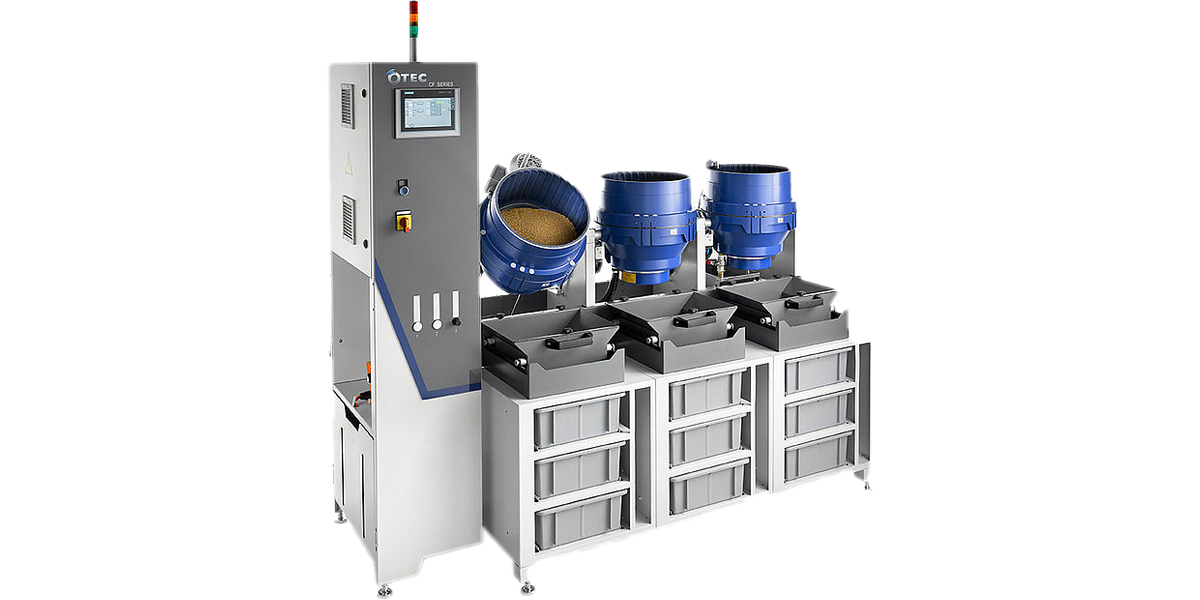
After pickling, all casting trees undergo a true micro-abrasive vapour honing process, a premium surface treatment that provides an ultra-satin finish. Our precision-calibrated system uses a proprietary blend of nano micro-glass beads combined with reverse osmosis water and high-pressure air.
This gently removes the outer raw casting skin and any remaining surface oxides, leaving a smooth ultra-satin finish. On average of 1 micron of material is removed across the entire tree. We do not use coarse grits to artificially increase shine, as that masks surface porosity, if porosity is present (usually rare), our process reveals it rather than hiding it, ensuring your jewellers can work with flawless, predictable castings. Printing lines are still visible.
After vapour honing, all castings are removed from the tree using a heavy-duty German-made pneumatic cutter. A flush-cut blade then trims the main feeder sprue as close as possible to the item without causing damage. Where design allows, we can cut as close as 2mm; larger or bulkier designs may require slightly more distance as the blade is physically limited how close it can reach.
This precise process reduces billable metal by 0.5-1.5 g on most average rings, depending on karat, colour, and feeder design, saving both material and cost for the client.
After flush-cutting, our bench jewellers hand-saw all flow gates, leaving on average 0.50mm from the casting to prevent accidental damage, designs where the blade is physically limited how close it can reach will have more distance.
For most average rings, this process recovers 0.75 - 1.5 g of gold, which is not billed to our clients. Rings with multiple internal flow gates (e.g. full setting bands) can save 5 - 10 g, and larger pieces such as bangles can recover 20 - 40 g. All recovered gold is retained by us, reducing your billable metal and improving overall efficiency.
All items receive a 5-minute ultra-sonic bath to remove residual gold dust from stages 1 - 4. Each casting is then blow-dried, followed by a deep dry in a dedicated ultrasound drying tank at 70 °C for 30 minutes.
This ensures all water and moisture is completely removed from every crevice before the items move to the next stage, protecting the integrity of the metal charges and guaranteeing consistent quality.
Every item is inspected individually to ensure it meets our exacting standards. Checks include:
This diligent QC process guarantees consistent, high-quality castings that clients can rely on.
Once items pass QC, each piece is weighed individually on NMI trade-approved scales, photographed, and assigned a unique job label. The job is then documented and invoiced, with all details emailed to the client.
This ensures complete traceability, accurate billing, and professional delivery of every casting.